
M
Reforming Procurement, Restoring Trust: NPPA CEO Fodie J. Konneh Champions Strategic Alliance with IPRP for a Transparent Future”
Freetown, May 14, 2025 – In a bold reaffirmation of leadership and reformist zeal, Chief Executive Officer of the National Public Procurement Authority (NPPA), Mr. Fodie J. Konneh, stood at the helm of a landmark stakeholder engagement in the Western Region, steering a powerful message on accountability, transparency, and institutional synergy in Sierra Leone’s procurement landscape.
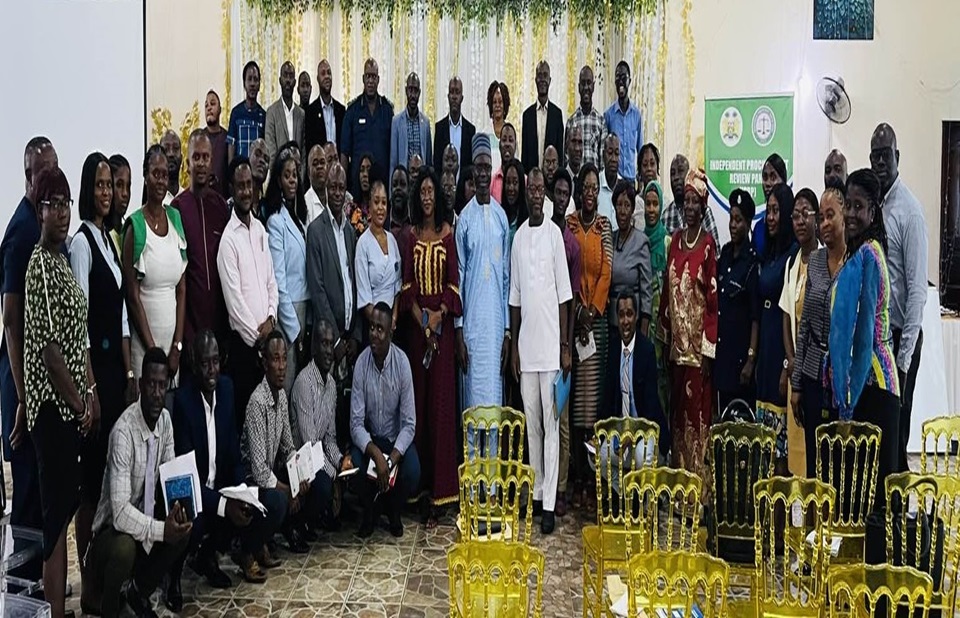
Held at the Vanilla Complex, Aberdeen, the event—organized by the Independent Procurement Review Panel (IPRP)—brought together stakeholders from Ministries, Departments, Agencies (MDAs), and Local Councils. The meeting was aimed at unpacking the IPRP’s core mandate and addressing issues affecting procurement institutions across the country.
The highlight of the occasion was the keynote address by Mr. Konneh, whose speech skillfully tied together the past achievements, current challenges, and future ambitions of the NPPA, while placing urgent emphasis on a collaborative front with the IPRP. Mr. Konneh began by outlining the transformative journey Sierra Leone’s procurement system has undertaken. Citing the significant role of the 2016 Public Procurement Act and the strides made under NPPA’s leadership, he noted a 12% average savings across public contracts and a 20% reduction in procurement cycle times. “These results,” he declared, “reflect more than good policy—they reflect a culture shift backed by strong institutional resolve.”
Under his leadership, the NPPA has evolved into more than a regulatory body. It is now a data-driven, compliance-focused institution that tracks procurement plans, awards, and contract performance with unmatched transparency. The NPPA’s quarterly bulletins, rigorous site audits, and end-to-end reviews have helped deter malpractice and restore public trust. Mr. Konneh highlighted the Grievance Redress Mechanism (GRM) as a key tool for safeguarding fairness. This three-tier structure begins at the procuring entity, proceeds to the NPPA, and culminates at the IPRP. The GRM ensures timely, impartial resolution of disputes and has become instrumental in enhancing confidence among suppliers and service providers. Importantly, Mr. Konneh emphasized that this mechanism cannot function effectively in isolation. “The IPRP is the final appellate body,” he stressed, “but its power is amplified when it operates in tandem with the NPPA’s investigative and regulatory framework.” This synergy, he said, should not only be preserved but institutionalized, with both entities jointly responsible for monitoring, adjudicating, and refining procurement practices across the country.
Drawing from field notes captured during the session, it was revealed that the IPRP has made significant headway since its establishment in 2018, despite capacity constraints. With over 300 complaints heard and judgments rendered—many of them originating from complex multi-party procurement disputes—the IPRP’s contribution to procurement justice has been nothing short of indispensable. Mr. Konneh seized this moment to call for more robust inter-agency collaboration. “We must break silos,” he said. “We need joint inspections, shared data repositories, and harmonized feedback mechanisms. Together, we can achieve what isolated institutions cannot.” With the launch of the Electronic Government Procurement (e-GP) system scheduled for full blown operation early 2026, Mr. Konneh urged MDAs to align their operations with upcoming digital tools. He called for the designation of ICT focal points, adoption of e-learning courses, and integration of digital procurement modules in institutional training.
In an equally powerful revelation, Mr. Konneh announced that the NPPA is initiating a comprehensive review of the 2016 Procurement Act. Stakeholder consultations are already underway, signaling the Authority’s readiness to adapt to emerging realities while closing legal and operational gaps. The meeting also shed light on the broader support the NPPA has enjoyed from MDAs, many of which have started participating in IPRP hearings and compliance briefings.
Jeremy Simbo, speaking on behalf of Civil Society Organizations (CSOs), delivered a passionate appeal for stronger integrity mechanisms within the public procurement ecosystem. He underscored the critical need for transparency, accountability, and strict compliance with procurement laws, asserting that these are indispensable tools in the fight against public sector wastage and corruption. “Transparency and accountability are not optional virtues—they are the bedrock upon which effective public procurement must stand,” Simbo stressed. He emphasized that fostering a culture of openness will not only restore public trust but also significantly reduce inefficiencies and misuse of state resources.
Chairing the event was Mr. James Koroma, Executive Secretary of the Sierra Leone Chamber of Commerce. He gave a concise yet profound historical overview of the Independent Procurement Review Panel (IPRP). He reminded participants that the IPRP was established in 2018 by an Act of Parliament, with the mandate to receive and review complaints arising from public procurement disputes. With the backing of His Excellency President Bio, the IPRP has grown into a highly respected institution, comprised of seasoned legal practitioners who deliver impartial rulings on contested procurement decisions. Mr. Koroma explained the IPRP’s three-tier grievance structure, stressing the importance of collaboration with the NPPA in enforcing accountability. He revealed that the IPRP has helped resolve hundreds of procurement disputes, resulting in savings of over Three Hundred Million New Leones (Le. 300,000,000.) He further emphasized that IPRP decisions must be respected as they carry the weight of a High Court ruling. “The IPRP has done everything humanly possible to meet its mandate,” he said, “and continues to be a pillar of transparency in public procurement.”
As the curtains drew on this high-level engagement, it became evident that the NPPA, under Mr. Konneh’s dynamic leadership, has positioned itself as the nucleus of procurement integrity in Sierra Leone. His push for a seamless collaboration with the IPRP and emphasis on digital innovation, institutional accountability, and legal reform reaffirms his commitment to building a procurement regime that is transparent, equitable, and development-oriented.
The message was clear: Sierra Leone’s procurement future is secure in the hands of institutions that collaborate—not compete—for the public good.
